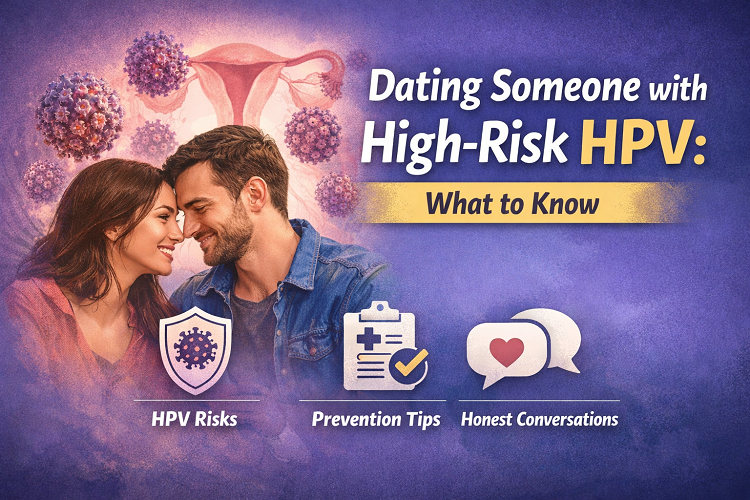
Dating Someone with High-Risk HPV: What to Know
Dating someone with high-risk HPV can raise questions, concerns, and emotional uncertainty especially if you are unfamiliar with the virus. Human Papillomavirus (HPV) is extremely common, and high-risk strains are often misunderstood. With the right knowledge, honest communication, and preventive care, couples can build healthy, fulfilling relationships without fear or stigma.
Understanding High-Risk HPV
HPV is a group of more than 100 related viruses. Some types cause harmless skin warts, while others infect the genital area. High-risk HPV types are associated with an increased risk of certain cancers, including cervical, anal, penile, throat, and vaginal cancers.
Important facts to know:
- Most HPV infections do not cause symptoms
- The immune system clears most HPV infections naturally within 1–2 years
- High-risk HPV does not automatically mean cancer
- Regular medical screening can prevent serious complications
Many people with high-risk HPV feel healthy and never experience long-term health problems.
How Common Is High-Risk HPV?
HPV is one of the most common sexually transmitted infections worldwide. The majority of sexually active adults will be exposed to HPV at some point in their lives, often without ever knowing it.
Because HPV can remain dormant for years, a diagnosis does not indicate recent exposure or infidelity. This is a critical point for couples to understand when navigating trust and emotional security in a relationship.
How High-Risk HPV Is Transmitted
HPV spreads through skin-to-skin contact, most commonly during vaginal, anal, or oral sex. Penetration is not required for transmission.
Key points about transmission:
- HPV can spread even when no symptoms are present
- Condoms and dental dams reduce risk but do not eliminate it completely
- HPV can be passed between long-term partners unknowingly
- It is impossible to determine exactly when or from whom HPV was acquired
Understanding transmission helps reduce blame and unnecessary fear.
High-Risk HPV and Cancer Risk
The term “high-risk” often causes anxiety, but context matters.
High-risk HPV means:
- Certain strains can cause cellular changes over time
- These changes are usually slow and detectable through screening
- Early detection prevents cancer in most cases
Regular screening and follow-up care are the most effective ways to manage high-risk HPV safely.
Dating Someone with High-Risk HPV: What It Really Means
Dating someone with high-risk HPV does not mean:
- You will definitely contract HPV
- Cancer is inevitable
- Intimacy must stop
- The relationship is unsafe or unhealthy
It does mean being informed, communicative, and proactive about sexual health.
Emotional Challenges in HPV-Related Dating
People diagnosed with high-risk HPV often experience:
- Fear of rejection
- Shame or guilt
- Anxiety about disclosure
- Worry about future relationships
Partners may feel:
- Concern about their own health
- Confusion due to misinformation
- Fear of intimacy
These emotions are normal and manageable with education and empathy.
Talking to a Partner About High-Risk HPV
Open communication is one of the most important aspects of dating with HPV.
When to Talk About It
- Before becoming sexually intimate
- When trust and mutual respect are established
- In a calm, private environment
How to Talk About It
- Use clear, factual language
- Explain what high-risk HPV means medically
- Share your screening or care plan
- Allow space for questions and emotions
Avoid blame, assumptions, or defensiveness. HPV is a health issue—not a character flaw.
Disclosure: Is It Necessary?
Disclosure practices vary, but many healthcare professionals encourage openness before sexual activity so partners can make informed decisions.
Helpful disclosure tips:
- Focus on facts, not fear
- Emphasize that HPV is common
- Explain prevention and monitoring steps
- Share educational information if needed
Honest disclosure often strengthens trust rather than weakening it.
Sex, Intimacy, and Safety
Dating with high-risk HPV does not mean avoiding intimacy. It means practicing informed intimacy.
Risk-Reduction Strategies
- Use condoms or dental dams
- Limit sexual partners if mutually agreed
- Avoid sexual activity during other active infections
- Maintain open conversations about sexual health
HPV Vaccination
The HPV vaccine protects against the most dangerous strains of HPV and is recommended for many adolescents and adults.
Benefits include:
- Strong protection against cancer-related HPV types
- Reduced future infection risk
- Long-term sexual health protection
Vaccination can still be helpful even if one partner already has HPV.
Routine Health Monitoring
Ongoing medical care is essential for managing high-risk HPV.
This may include:
- Regular cervical screenings (Pap or HPV tests)
- Follow-up tests if abnormal results appear
- Medical advice tailored to individual risk factors
For partners, routine health checkups provide reassurance and early detection.
Managing Fear, Anxiety, and Stigma
HPV carries unnecessary stigma due to lack of public education.
To manage emotional stress:
- Focus on facts, not myths
- Connect with supportive communities
- Remind yourself HPV is a medical condition—not a personal failing
Stigma fades when knowledge grows.
Dating Confidence with High-Risk HPV
Many people with high-risk HPV go on to have:
- Long-term relationships
- Healthy marriages
- Children
- Fulfilling sex lives
HPV does not define your worth, desirability, or future.
Community Resources & Support Centers
Access to support makes a significant difference. While links are not provided here, these organizations and services are widely available in many countries:
Public Health & Medical Support
- Government health departments
- Sexual health clinics
- Gynecology and urology centers
- Family planning clinics
- Preventive oncology programs
These centers offer testing, screening, vaccination, counseling, and education.
Sexual Health Education Organizations
- Sexual health advocacy groups
- STI education nonprofits
- Women’s health organizations
- Men’s reproductive health centers
They provide accurate information and confidential guidance.
Emotional & Peer Support
- HPV peer support groups
- Chronic illness counseling services
- Sexual wellness therapists
- Community health counselors
Connecting with others who understand HPV can reduce isolation and fear.
Cancer Awareness & Prevention Groups
Because high-risk HPV is associated with cancer prevention efforts, these organizations also offer valuable resources:
- Cervical cancer awareness foundations
- Head and neck cancer support groups
- Anal cancer prevention initiatives
- Women’s and men’s cancer advocacy group
They focus on education, early detection, and emotional support.
Supporting a Partner with High-Risk HPV
If your partner has high-risk HPV, support matters.
Ways to be supportive:
- Learn about HPV together
- Attend medical appointments if invited
- Avoid judgment or assumptions
- Reassure your partner emotionally
- Prioritize shared decision-making
Support builds trust and strengthens relationships.
Myths About High-Risk HPV
Let’s clear up common misconceptions:
- Myth: Only promiscuous people get HPV
Fact: HPV affects people of all backgrounds and relationship types - Myth: HPV always causes cancer
Fact: Most infections never lead to cancer - Myth: HPV means the relationship must end
Fact: Many couples navigate HPV successfully - Myth: You can always tell who gave you HPV
Fact: HPV can stay dormant for years
Looking Toward the Future
HPV prevention and treatment continue to improve. Vaccines, screening programs, and education have already reduced HPV-related cancers significantly in many regions.
The future of dating with HPV is becoming:
- More informed
- Less stigmatized
- More supportive
Knowledge empowers healthier relationships.
Final Thoughts
Dating Someone With High-Risk HPV may feel intimidating at first, but it does not prevent love, intimacy, or long-term commitment. With honest communication, routine healthcare, and mutual respect, couples can navigate HPV with confidence.
High-risk HPV is manageable. Relationships are stronger when built on trust, compassion, and understanding—not fear.